
Pipe material and condition
Copper, galvanized steel, CPVC, and PEX age differently. A contractor looks for corrosion, prior repairs, visible scaling, and failure patterns to decide between spot replacement, partial repipe, or a full repipe.
Repiping service in Brookfield
Describe your pipe concerns once and we will connect you with a local contractor who handles whole-home pipe replacement and reroutes.
✓Describe the concerns once
✓Local Brookfield-area contractor
✓You decide on the plan
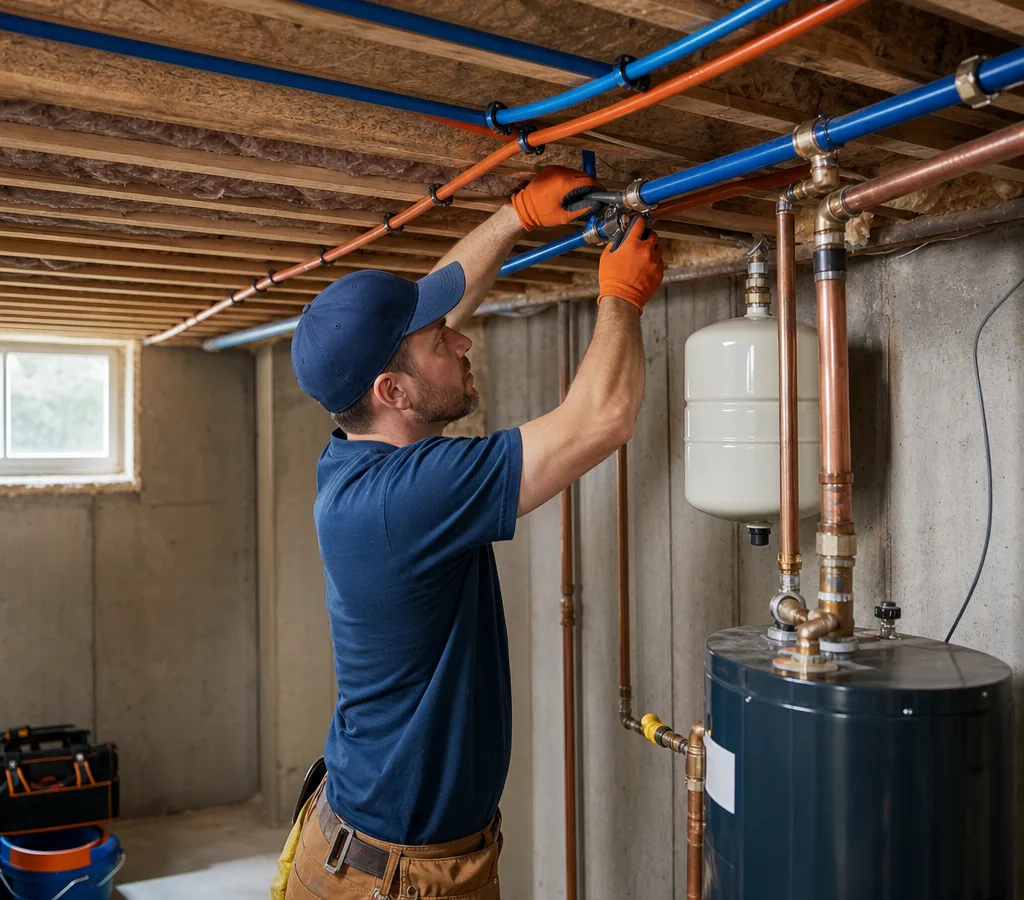
Assess the piping
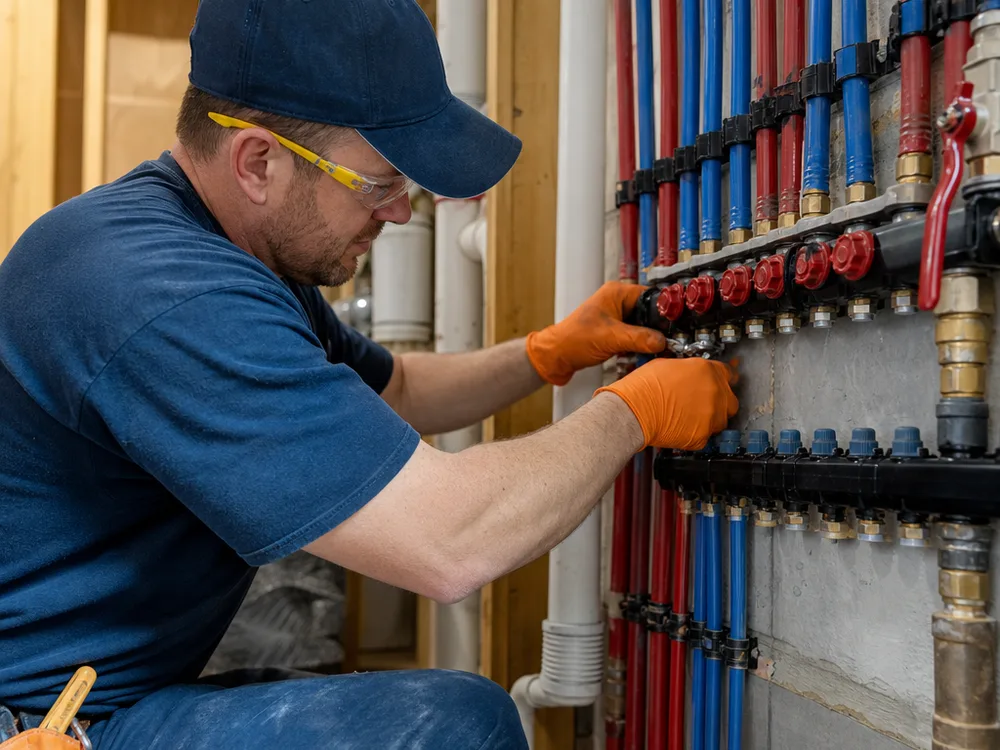
Repiping is a planned replacement of your home's water supply piping—and sometimes the main water line inside the house—so leaks, low flow, and water quality issues stop being a recurring problem. Homeowners in Brookfield often start looking into repiping after a string of pinhole leaks, corrosion stains, unexplained drops in pressure, or a remodel that exposes old piping.
A contractor will usually confirm whether the trouble is localized to a single bad run or fitting, or whether the system is nearing end-of-life across multiple areas. If you keep fixing one leak and another shows up elsewhere, a full or partial pipe replacement can be the cleaner path.
Common reasons homeowners request repiping Brookfield service:
If you are also dealing with an active leak or water damage, explain what you are seeing when you call. You can be connected with a contractor who can discuss whether targeted repair or repiping is the right next step.
Plan the replacement
Copper, galvanized steel, CPVC, and PEX age differently. A contractor looks for corrosion, prior repairs, visible scaling, and failure patterns to decide between spot replacement, partial repipe, or a full repipe.
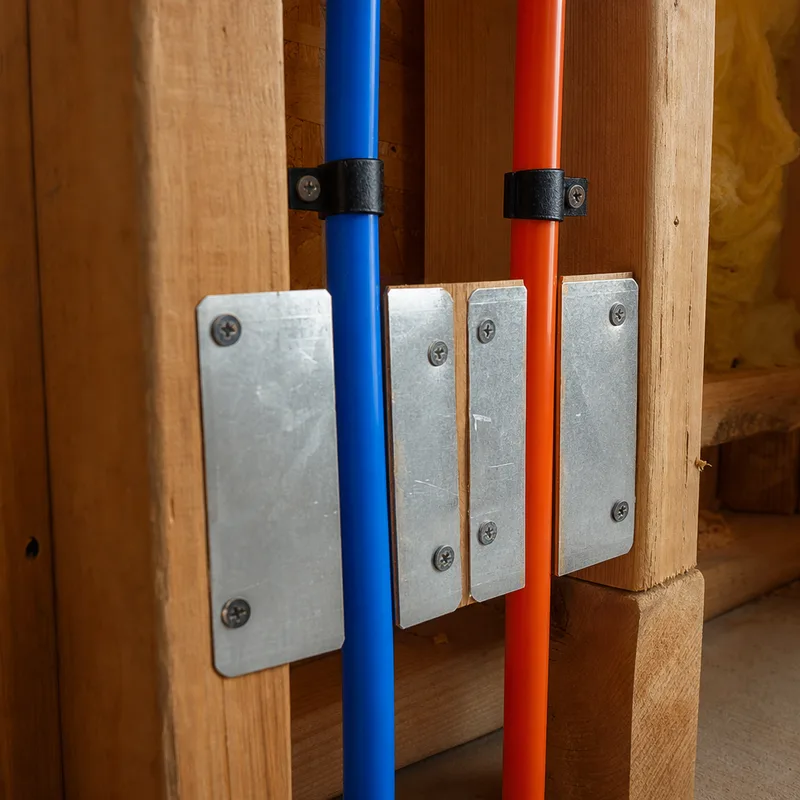
A good plan accounts for the worst areas: behind finished ceilings, inside exterior walls, or tight chases. Routing choices change how much access is needed and where openings may be required.
Low pressure can come from restrictions in old piping or undersized branches. The contractor may check static pressure and discuss flow needs for tubs, showers, and multi-bath use.
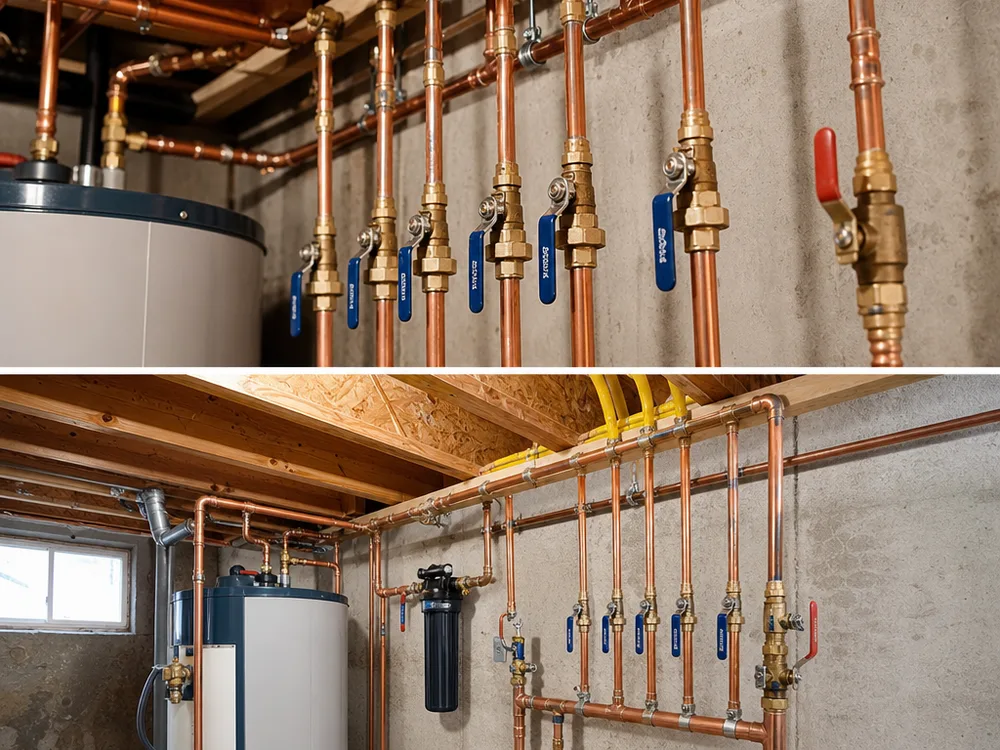
Repiping is a chance to improve control with accessible shutoffs, fixture-group isolation, or a manifold setup so future service does not require shutting down the whole house.
Contractors plan how to protect floors, manage dust, and choose entry points for new lines. In finished basements and remodeled areas, planning the path matters as much as the material.
One call, five clear steps
Describe the leaks, low flow, or discoloration; the home type; whether there is a finished basement; and any recent remodel work. That information helps connect you with a local contractor who handles pipe replacement.
The contractor traces supply routes, checks visible piping, reviews fixture locations, and discusses material options. If only part of the system is failing, the plan may focus on those problem zones.
Before work starts, the contractor discusses where new lines can run and where openings may be needed. Fixture shutoffs and manifold options are decided at this stage.
Old supply lines are abandoned or removed where practical. New lines are supported and connected to the main, branches, and fixtures, with water restored in stages as sections are completed.
The contractor pressure-tests the system, checks joints and transitions, and confirms fixture operation. Ask about labeling shutoffs and what to watch during the first days of use.
If you are tired of recurring leaks or weak flow, describe the problem once and we will connect you with a Brookfield-area contractor who can look at your piping and talk through repiping options.
Routing and material details
Questions before you call
A partial repipe is sometimes reasonable when the failures trace to a specific material, area, or era of additions. The contractor will look at where leaks have occurred, what pipe types are present, and how much of the system shows corrosion or restriction before recommending a scope.
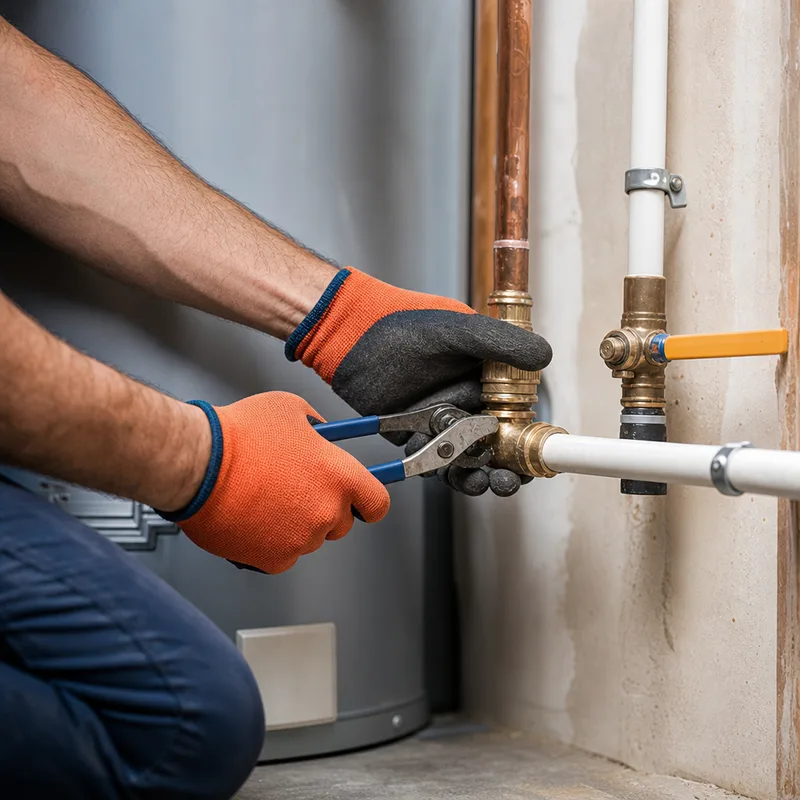
Many contractors propose PEX or copper for water supply repiping, depending on the home layout and routing needs. Ask the contractor to explain why they prefer one for your situation, how transitions are handled at existing components, and what shutoff strategy they recommend.
Repiping often requires some access openings because supply lines run through wall cavities, soffits, and ceiling spaces. The contractor should explain where openings are likely, how they plan to protect finishes, and whether routing can be shifted through basement joists or utility chases to reduce interior cuts.
Water is typically shut off during tie-ins and when moving from old lines to new lines, then restored in stages as sections are completed. The contractor you speak with can explain how they sequence work in occupied homes and what to expect for day-to-day use of sinks and showers.
If walls are already opened for a remodel, it can be a practical time to address aging supply lines and improve routing. If a water heater is being replaced, it is also a good moment to discuss nearby shutoffs, pipe transitions, and whether corroded sections should be replaced while everything is accessible.
Start with the symptoms—leaks, low pressure, or discoloration—the home's age if you know it, number of bathrooms, and whether there is a finished basement. Mention any known pipe types and where the main shutoff and water heater are located.
You describe the repiping job once over the phone, and we connect you with an independent local contractor who handles pipe replacement. You discuss options directly with the contractor, get their recommendation for scope and materials, and decide whether to move forward.
Call and describe what you are noticing, where it is happening, and what kind of home you have. We will connect you with a local contractor who can evaluate the piping and explain the next steps.